I have been married twice and known many beautiful women. For most of the last decade I have been happy to live alone.
Selfish?
Yet recently I met someone. And things feel like they are changing.
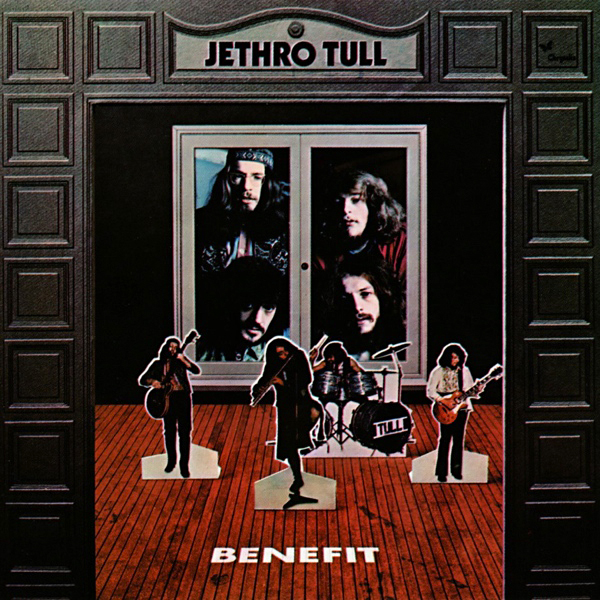
The way my thoughts have gone bring me back to a song from Jethro Tull. I must have bought this album on vinyl more than 50 years ago…
“All the places I’ve been make it hard to begin, to enjoy life again on the inside, but I mean to. Take a walk around the block, and be glad that I’ve got, me some time to be in from the outside, and inside with you.”
My research has taken me a little further. I recently attended an online course which said the three hottest niches for writing and online sales are :-
Health
Wealth
Happiness
And people will complain about these aspects of their lives and so start searching for solutions.
In these days, although fewer and fewer are attending churches, more and more are flocking to purchase self-help books. Self-help books are leaping off shelves at brick and mortar bookstores. People want to feel that if they read a self-help book, they have all the power to change their lives. Whether or not this is true is moot. Changing your life, soul searching, and helping thyself, are all great book topics.
As much as ever before, people want to know how to find peace with their pasts, how to be creative or spiritual in a consuming society, and how to find true love. There is no end to how-to books you could create in the category of self-help, or life enrichment. Here are a few more ideas:
These are fiery hot topics that are sure to be on the rise. You can pull any one of these to use for your first book. Then come back and pull another topic for your next book.
Using the latest electronics.
We are a society obsessed with having the latest and greatest technology. Do a book on iPods, email/camera cell phones, wireless Internet, digital TV, or any combination of these items.
There’s so much of a craze in this area that do-it-yourself (DIY) stores are on every corner of major cities. If you haven’t been to a Home Depot or Lowe’s lately, then you are one of the few. Sure, apartment dwellers and young students aren’t in this market, but people with homes and money to afford them are in this market. In fact, some cable TV services offer entire channels dedicated to home improvement.
Especially of current interest are in-home automation systems. DIY home improvers are eager to learn about and buy things that will make their home lives more relaxing, high-tech, or fun. Create a book to teach them how to make their lights come on for them before they get home from their jobs, or how to press a button to adjust window blinds, music, or temperature. Or how Bill Gates’ house works. Or how to add automation to an existing home, or how to build-in automation when a house is constructed.
Identity theft prevention.
Especially because many books are marketed on the Internet, this is a great topic. This is because people who purchase over the Internet are concerned that their credit card numbers will not be seen by others or misused in any way. Even away from the computer though, consumers are on-edge about identity theft. Today, people are shredding their receipts, removing their personal information from the face of their checks, and cautiously covering themselves when they type in passwords at public terminals or ATMs. Microchips are being installed on ID cards. People are worried. Tap into this with a book!
Along the same lines as worrying about identity theft, people are worried about their safety from other things like crime, chemical warfare attack, and natural disasters. Watch the evening news tonight, and you will be able to list at least twenty things that people are afraid of. When you talk about safety, you are speaking their language. Titles along the lines of be prepared for any natural disaster would go over well, as would those like never be a crime victim again, how to defend yourself in a parking lot, or prevent sudden infant death syndrome (SIDS).
How-to manualsforany new product recently on the market.
This harks back to the Dummies series but takes it one step further. Target your book to people who want to buy the most current commercially available item. How to use the new model John Deere tractor. You will be sure that no one else has a book like yours, and you can say so in your sales pitch.
How to survive any phase of life.
People face numerous demons and battles as they live their lives. For many, when they’re in need, they’ll be reaching out for help. Support groups, private therapy, being with friends, starting over – these are all solid topics for a book. You could also reach out specifically to certain people needing emotional assistance. How to get through the terrible two’s. How to cope with a cancer diagnosis. Living with your own shortcomings. How to live with someone who is dying. Surviving high school. Any of these will do.
People are pampering their pets more than ever before. Some pets are treated better than people. It’s the people who spend small fortunes on their pets that will also be willing to pay good money for a book that gives them ideas on how to treat their animals even more royally than they already do.
Write books on how to pamper your parakeet, homemade meals for picky dogs, where the pet spas are, how to train your kids to be cat-friendly, million dollar homes for mutts, which animals make the best pets, or pet psychology.
Traveling mixed with the subjects above.
Not only are people traveling like crazy, but they want to customize their itineraries and their methods of travel with their hobbies and lifestyles. Try a few of these on for size:
Where to dine around the globe and still stay on a low-carb diet plan
Tom scanned the wooden floors, the roof beams, the empty glasses, the empty-headed numbskulls at the bar. He scanned a newspaper, a tin of beans and the police radio in New York. He noticed a group of Gnomes sitting in the corner, underneath the metal signs for shoe polish and soap, each sipping a glass of lemonade and holding a sign saying ‘I’m Free!’
“Is that some sort of political pressure group?” enquired Tom.
“Where do you come from?” said Ken. “Haven’t you seen Gnomes at a bar before? Fantastic chaps at the end of the night!”
A quizzical look danced across Tom’s face, shimmied down his right arm and persuaded his hand to impel his pint towards his mouth.
“How so?”
Ken suffered the same quizzical face; so after a massive chug of the Black stuff he explained.
“Gnomes are the most helpful chaps we know. If you need the fish to be taken out of your pond the Gnomes will happily spend days fishing; if you have a toadstool that needs warming up a Gnome will happily sit there all day keeping the seat nice and warm. If you have a wheelbarrow full of anything, they will wheel it away for you; Ladybirds needed – ask a Gnome. They’ll even do a bit of Lady Gardening if you can’t be bothered. And when a chap is pissed as a newt – a Gnome will escort you back to your household.”
“Fascinating,” said Tom.
“Indeed,” added Magdalene, feeling the need for a bit of gardening.
“Thanyuverrmuch!” said Ken.
There followed many more cries of ‘Dublin’ as the evening progressed, the Elves becoming marvellously pissed, the Masters of Reality appearing to suffer no ill effects.
“Who fancies a game of Candle in the Wind?” asked Wayne.
“What is that?” enquired Magdalene.
Wayne demonstrated what happens when you put a candle in the wind, producing a wonderful rear flamethrower and a scorch mark on the table. With a snort and a sneer Magdalene decided not to participate.
Wayne and Ken got into a terrible argument about Magic Mushrooms, Wayne believing they should be provided free, Ken arguing that such delicacies were not an essential and should therefore be charged for accordingly. Wayne felt it should be a part of a National Elf Service; Ken called him a Communist. Neither had considered the cost benefit analysis of their viewpoints, nor the elasticity of demand; so instead they decided that the best conclusion to the argument would be to come up with the best put down possible.
“Knob!” was flung by each simultaneously.
As the beer turned their mood to melancholia, things changed.
“You’re the devil in disguise!”
“You and your cheating heart!”
“Who’s sorry now?”
“You’re a heartbreaker!”
“You’ve lost that loving’ feeling!”
“You’ll never walk alone!”
“I mean you’ll never walk again!”
“Disturbing,” said Tom.
“Fascinating,” said Magdalene.
“Anyway,” said Ken, “Let’s have a little less conversation and a little more action!”
He lifted his arms as if to engage in a bout of fisticuffs with his old friend; instead he crashed his head into the table top, sending empty glasses spinning wildly across the floor, magically not breaking any; this was rapidly followed by Wayne sliding down his chair to a sleeping position on the floor.
“Come on now Gentlemen,” shouted the Barman. “No sleeping under the table; let’s make a move. Haven’t you got a Gnome to go to?”
Never has so much travel been available to so many. People today want to get in touch with the people they love. They want to experience different parts of the world. See exotic things. Be entertained. Also, because, especially in America, adults sometimes work well more than 40 hours a week, people need really good vacations. They’re doing their research to make sure that they will really enjoy their precious few weeks off each year.
Here are some topics for you: how to trade frequent flyer miles, how to keep airport security off your back, how to travel on a dime and get change, and how to keep your children happy on long car trips.
Beyond the how-to’s, there is plenty of room for books like, the best amusement parks for your money, top 100 campgrounds, things you must see and do in Utah before you die, and free things to do when visiting Washington, D.C.
Get the idea? The good thing about creating travel books is that you may already know a lot about a place that other people may be interested in visiting. Makes it easy!
Money makes the world go around (well that and the earth’s axis and planetary forces), and so it would make sense that books would abound on the topic of money. They do, but the market is nowhere near saturated. There’s always room for more. From getting rich to just saving money day-to-day, people are always interested in how-to books related to money. Ideas below:
Perhaps sixteen year old girls don’t want to look younger, but from that point on, and for most of the population in Western society, looking young is a common desire. Everybody wants to find the fountain of youth, whether it be in a pill bottle, a special diet, surgery, or a book.
A book about staying or appearing young in the face of growing old will have a solid future. Here are some title ideas, and I’m sure you can come up with a truckload more.
“Drop ten years and ten pounds in ten days”
“How to look 28 forever”
“100 ways to look younger”
“Grocery store products that will help you look younger”
“Look 30 again without surgery”
“How to live to be 100”
This topic is red hot. Botox, surgery, chemical peels, lasers, diets, acupuncture, electronic pulses, mega vitamins, prescription teas, thigh cream, and teeth whiteners are being purchased by baby boomers, the elderly, and even women as young as 20 ! No one wants to look a day older than they have to.
Health is a concern to anyone who is growing old or ill or faced illness with a loved one or wants more energy or, basically, everybody. Health books are a good investment for you to make. And doctors don’t have to be the authors. Anyone with any credentials, or no credentials at all, can write books on health. Just be sure you don’t claim to be a doctor if you’re not one.
Here are some health topics you can hit at this moment in time and be almost guaranteed immediate interest, readership, and sales!
Disease prevention and cure.As our baby boomer population ages, most will be afflicted with heart disease, cancer, diabetes, dementia, or some other malady. Give these people some hope. Create a book on how to cope, how to find the best practitioners, how to avoid disease triggers, or cures American doctors are unaware of.
Natural remedies. People are curious about alternatives to standard medicine, and are anxious to try herbal, natural, or holistic treatments. Create a book on any disease that covers alternative cures. For example, “How to Treat Lymphoma, Naturally.” Or, you could just address natural supplements in general, “The best natural remedies for common ailments,” or “Holistic health.”
Diet. What we eat is always a hot topic. There are literally dozens if not hundreds of diet fads currently out there. Pick any one of them for a book. Then there’s obesity, general health, and also diet supplements like vitamins. Think “How to equip your kitchen for macrobiotic dieting.” Or, “Eat to cure cancer.”
There are groups of people who are willing to buy nonfiction books: hobbyists. At any given time, these people are looking for ways to spend their money on their hobbies. Their passion is your financial gain.
What avid hobbyists want will always make great book material. Note that I did not say what hobbyists need. You may have certain opinions on what exactly certain people should need or should read. But those are not necessarily good topics for immediate book publishing profit. Those topics may be areas for you to dabble in at your leisure. However, if you want to make money at this, find out what niche groups want, and hit those groups with your book.
Find hobbyists and niche groups by searching the web for “popular hobbies,” “enthusiasts,” or “what America is buying.” Or, you can search specifically for forums and discussion groups for hobbyists. In the forums, people talk with each other to share ideas with one another. Often, they will exchange testimonials for equipment, upcoming events, and books.
One popular site where hobbyists go to talk to one another online is Yahoo! Check it out. Go to www.yahoo.com. Click “groups.” On the groups page you’ll see a list of categories such as Business & finance, and Religion. For demonstration purposes, click on “Games.”
On the games screen, game subcategories are listed followed by numbers. The numbers indicate how many discussion forums are available for that subcategory. These numbers reveal a lot. Notice how “role playing games,” and “video & computer games” have factors of ten or in some cases factors of 100 more forums than other subcategories. “Wargaming” and “paintball” don’t even come close, although those categories are much more discussion-laden than “horseshoe pitching.”
For fun, one day I continued selecting subcategories until I arrived at a list of over a thousand (yes a thousand) discussion groups on Yahoo having to do with vampire role playing. Here’s how I got there: Games>>Role Playing Games>>Live Action>> World of Darkness>>Vampire: The Masquerade.
Some of the forums are open to new members, and you can join to read what everyone’s discussing. Once in the forum, you can review discussion threads from today, yesterday, or a year ago. Don’t go back too far if you want to find out the hottest possible book topics. You can participate in discussions if you like. FYI, do not drop into a discussion group just to market a book; hobbyists consider this spam and will drop you from the group.
When you read and/or participate, you’ll find out what this group is buying. All you have to do is skim to find out what questions they are asking each other about products or traveling or information. What they are interested in buying is a key piece of information because passionate consumers love to research before they buy. This is an immediate book market. Create a book on how to select the best this or that on the market, related to the current wants of the enthusiasts.
Enthusiasts come in all shapes and sizes. Think brides-to-be, golfers, whitewater rafters, people who collect vintage baseball cards, wine connoisseurs, gardeners, frequent vacationers, video gamers, and parents who put their children into private tutoring, ballet, and violin lessons before age 3.
There are some hobbies that seem to continually attract enthusiasts, like playing golf, watching football, restoring old cars, and listening to music. These are classics. Then there are some hobbies that seem to come and go in waves, such as Red Hat Societies participation, snowboarding, or line dancing. Pick either a classic hobby or a fluctuating hobby in its peak season for your best odds.
A big market on the Internet is the 20-30 set. Here’s what they are doing right now, according to one survey. They’re snowboarding, wakeboarding, traveling, camping, listening to music, taking photographs. They’re drinking gourmet coffee, rock climbing, playing guitar, camping, dancing, looking for online love, shopping for computers and other electronics, attending sports events, studying the Bible, exercising, trying to find jobs, and watching movies. Any one of these subjects would make a great book with a buying market standing by.
There is almost no limit whatsoever on the marketability of how-to books. Everyone wants an instruction manual, advice, and encouragement that they can do anything they read a how-to book for. Anything you know how to do, anything you’ve ever wanted to learn, or anything that’s teachable at all, can become a how-to book.
How-to books for hobbyists are a good way to go, and this overlaps with the discussion above. A hobby how-to book could be anything from how to build a home from hay bales to how to play Texas Hold ‘Em to how to understand Shakespeare.
One book publisher knows how hungry we are for how-to information, and has created a whole series of “Dummies” books around the market. Further, there are other similar book series’, and all of them are doing quite well! “The Everything” series, “Idiot’s Guide” series and others are all cashing in on the how-to phenomenon.
You could cash in by creating books on any or all subjects covered in any of those series’. Go to www.dummies.com, and check out their list of titles. Pick one you like, and move full speed ahead!
Remember that even though the books have “Dummies” in the title, that the books are as popular as they are because the readers are not treated like dummies at all. The authors cater to a person who wants to find out the easiest way to do something without too much tangential discussion. When you have your book written and when you choose a title, make sure you are appealing to a reader’s smarts! If you use words like stupid, dumb, or hopeless in the title, make sure that it is clear that the meaning would not extend to insulting the individual reader.
EBooks, because of their brevity and because they are marketed primarily on the Internet can target smaller audiences. You don’t have to write a universal book like How to use a computer (which may not be interesting enough to sell anyway in this decade). EBooks can cover more specific territory. Knowing this, you can 1) create your book in a specific way for a specific niche readership, and 2) create additional books for different facets of the same subject, and sell each one separately!
Say you’ve decided to write a book on fishing. (FYI, this is one of those hobbies where enthusiasts are willing to spend money!). You could create “How to Catch Freshwater Trout,” “How to Tie Your Own Flies,” or “How to Plan a Successful Deep Sea Fishing Trip.” Almost anything related to the hobby can become a separate book depending on how much detail you include. Clearly, “How to put on waders,” probably wouldn’t be a great choice (though some would say it’s impossible to underestimate today’s consumer), because you would have to strain to fill up 60 to 100 pages on such a simple topic. You get the idea. The topic would need to be, in most cases, book worthy. Use good judgment.
Then, life itself requires instructions, as we know from “Life’s Little Instruction Book.” So, life also qualifies as a good how-to book topic. There are numerous subtopics, and you’ll never run out of ideas. Here are a few examples:
“How to ensure your child gets an A+ in math”
“How to have a successful garage sale”
“How to organize your home office”
And while we’re on the subject of how-to books, I’d like to make one quick point. The titles of these books do not need to be incredibly clever. Be sure the words “How to” are the first part of the title, and the rest should tell exactly what the book is about.
For example, which of these three titles would be best?
1. “How to have a successful garage sale.”
2. “One weekend away from a cleaner house”
3. “How to sell your old shoes for a profit”
Although numbers 2 and 3 are clever, a little punchy, and correspond with the book content, I would still recommend using title number 1. “How to have a successful garage sale” sums it up pretty well and will catch the eye of an Internet surfer who is interested in putting together a garage sale and needs a how-to manual.
Anyway, back to the point. Any phase of life, way of coping with life, or large or small thing about life can be the subject of a how-to book.
The Internet is a great way to find out what people are looking for at any given moment. You can search for almost anything. Google™ is a popular search engine you can use, or you can try any of the others like Yahoo! Type in phrases like “top concerns of Americans,” “best-selling nonfiction topics,” or “popular how-to manuals.”
Find out the most popular nonfiction books from the New York Times bestseller list, Amazon, and a Google search for best-selling books. Your findings will tell you exactly what book subject’s people are buying right now.
Try this. Go to www.amazon.com. From the tabbed menu running along the top of the Amazon home page, click “Top Sellers.”
I did this one day in September 2011 and found a Harry Potter book, several other fiction books, and titles such as Natural cures “they” won’t tell you about, How what you wear can change your life, How to profit from the demise of the dollar, and The official SAT study guide. I’ve paraphrased to some degree, but you get the idea.
Here’s what I learned just from spending a few minutes on Amazon that day. People are reading good fiction from already-best selling authors (Da Vinci Code, the Harry Potter series, the Girl with the Dragon Tattoo and others). Secondly, Amazon buyers, buying over the Internet, are interested in nonfiction topics such as improving their lives and making more money. For these books, just about any author will do, even virtual unknowns or people who went to prison for lying to the American public.
And that quick visit only confirmed that the straightest route to book profits is in the nonfiction book market. This is for a number of reasons. Fiction readers tend to like to curl up in a chair with an actual book. Some of them attend book clubs where the physical books are brought around someone’s kitchen table with wine and cheese. Fiction readers tend to purchase from authors they’re already familiar with. Fiction can be more difficult to write and deliver well. Also, many of the classics in fiction are available as free eBooks. A reader interested in fiction could just download those. So stick with nonfiction unless you’re feeling particularly bold and experimental.
Here is some more good news, and if you didn’t already know this then you are going to be smiling big. Drum roll please… ideas are not copyrighted, therefore any idea you see, hear, or read anywhere anytime, is yours to use for a book! You can create books around the same ideas that are covered in the Amazon best seller list, and turnaround and create a book on the exact same subject!
Now, copyright law does protect the way ideas are expressed, so you want to make sure your hired author does not plagiarize or copy book text outright. And you cannot use the title word for word either. But there’s nothing stopping you from creating another book or eBook that covers the same subject with a different voice. It’s all as completely legal and guilt-free as nonfat Haagen Dazs. This is why looking at bestseller lists is a great way to get topic ideas.
One of the best things that you can do to help grow your business and to position yourself as an expert in whatever field you may work in is to write your own book.
The problem is writing a book can be hard even if you are a seasoned writer.
In this guide were going to talk about different ways that you can have your own book completed by this time next month regardless of if you decide to write yourself or if you choose to take the easy route and have somebody else write it for you.
I would not have believed it if I hadn’t done it for myself. You can actually write a book without actually doing the writing. Because of an interesting legal twist, you can hire a writer, and then when the writer is finished, you own the complete copyright to the work. If it sounds too good to be true, it almost is!
It couldn’t be easier to select a topic for a book. People are hungry for information, and people are looking to the Internet to feed their hunger. After you’ve read this chapter, you will feel confident enough to choose your own topic, or you can literally pull your book topic directly from this book and use it! How’s that for a deal?
If you’re smart enough to read this, you’re smart enough to look around you and determine what interests you and those around you. Think of what problems you’ve recently solved, and what kinds of problems others have had and solved. Any problem that has been solved in your world could easily be the subject of your next book. People love to read how other have solved a problem that they currently have.
So, brainstorm a list of problems in your life and in the lives of those around you. Your friend Bob lost his job? Your sister’s child had chicken pox? How did they cope or find solutions? While you’re at it, start another list of unsolved problems evident in your corner of the world. Write down problems you wish you had solved. Aha! These are subjects that people will really be interested in!
How to lose the last ten pounds.
The truth about UFOs.
The straightest path to becoming a millionaire.
From your personal corner, your step-granddaughter is pregnant at age 14?
Your grocery bill is double what it used to be?
Your roof leaks?
These are problems waiting for solutions!
These unsolved problems would also be great book topics. Remember, you don’t have to know the solution, just the topic. You’re going to get someone else to do the research and write the book for you. You will not actually be writing one word.
It is approaching midnight Wednesday. I am scheduling blog posts, editing my second book, preparing Physics lessons for my online classes and applying for a full time teaching post in Cairo.
A busy evening…
In the background I have Youtube on my TV. Playing some classic tracks from the Jethro Tull album ‘ Benefit’ – it was their third release in 1970. I remember buying it when I was 13. I have always enjoyed this album – it is one I seem to rediscover every 3 or 4 years.
Anyway, on TV appeared Ian Anderson playing live at the Montreaux Jazz Festival a few years ago. And he played ‘With You there to Help Me’, the first track form ‘Benefit’. It was a lovely live version, somewhat slower and more mellow than the original album version – maybe we’re all getting older!
I just felt I would like to share some of the lyrics.
“With You There To Help Me”
In days of peace — sweet smelling summer nights of wine and song; dusty pavements burning feet. Why am I crying, I want to know. How can I smile and make it right? For sixty days and eighty nights and not give in and lose the fight.
I’m going back to the ones that I know, with whom I can be what I want to be. Just one week for the feeling to go — and with you there to help me then it probably will.
I won’t go down acting the same old play. Give sixty days for just one night. Don’t think I’d make it: but then I might.
I’m going back to the ones that I know, with whom I can be what I want to be. Just one week for the feeling to go — and with you there to help me then it probably will.




















 Fairy Hanny